

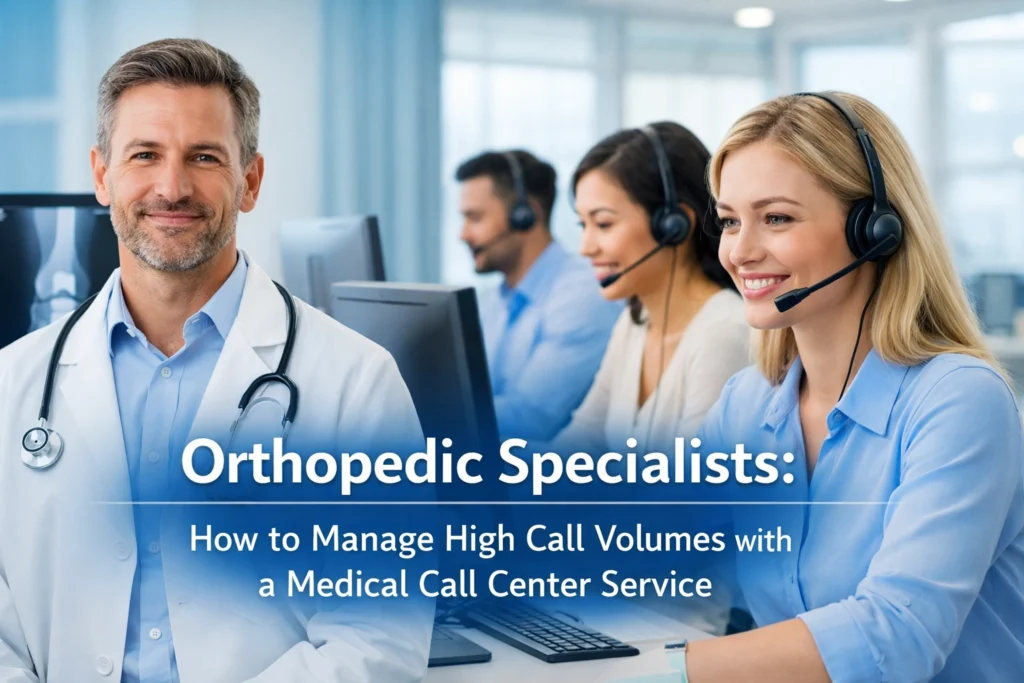
In the fast-paced world of orthopedic medicine, your practice is often a whirlwind of activity. Between emergency consultations for acute injuries, pre-operative clearances, and the ongoing management of chronic joint pain, your administrative staff faces a constant barrage of communication. For many orthopedic clinics, the sound of a ringing phone isn't just a notification; it’s a source of stress that can disrupt patient care and lead to significant administrative bottlenecks.
When you are specialized in musculoskeletal health, your patients expect precision: not just in the operating room, but from the moment they first reach out for an appointment. If your front desk is overwhelmed by high call volumes, you risk more than just a chaotic lobby; you risk losing patients to the "hold" button and burning out your most valuable team members. This is where a dedicated medical call center service becomes an essential extension of your practice.
The High-Volume Hurdle in Orthopedic Care
Orthopedic practices are unique because they often handle a mix of elective procedures and urgent, time-sensitive trauma. This leads to a call volume that is both high and unpredictable. A patient calling about a suspected fracture needs a different level of urgency than someone looking to reschedule a physical therapy follow-up.
When your in-house team is tasked with managing these diverse needs while also checking in patients and coordinating with surgeons, something eventually gives. Usually, it is the quality of the phone interaction. A "confusing maze of voice mail prompts" or a hurried, distracted greeting can make a patient feel like just another number in a spreadsheet. By utilizing an orthopedic answering service, you ensure that every caller is met with a calm and steady voice, regardless of how busy your physical office might be.

Protecting Your Staff from "Phone Fatigue"
Your clinical and administrative staff are the heartbeat of your practice. However, the administrative burden of managing high call volumes is a primary contributor to physician and staff burnout. When your team spends half their day on desk work and phone management, they have less time to focus on the high-quality patient care that defines MedConnectUSA.
Implementing a healthcare answering service allows your in-house team to breathe. Instead of jumping every time a line blinks, they can focus on the patient standing right in front of them. This shift not only improves staff morale but also enhances the patient experience. A focused staff member is more likely to follow professional telephone answering tips and maintain the high standards your practice demands.
Improving Patient Access and Retention
In a competitive medical landscape, patient retention is closely tied to accessibility. If a prospective patient cannot reach you on the first try, they are highly likely to call the next orthopedic surgeon on their list. This is why improving patient retention in busy practices often starts with the very first phone call.
A professional medical call center service ensures that your "digital front door" is always open. Whether it’s Monday morning at 8:00 AM or a holiday weekend, your patients receive immediate attention. This level of access makes patients feel prioritized and respected, which is crucial for building long-term trust: especially for those facing the anxiety of an upcoming surgery or the frustration of chronic pain.

After-Hours Care: Because Injuries Don’t Have a Bedtime
Orthopedic emergencies don't stick to a 9-to-5 schedule. A high-school athlete might suffer a knee injury during a Friday night game, or an elderly patient might take a fall on a Sunday afternoon. In these moments, your patients don't want to leave a message on a machine and wait for a call back on Monday morning.
An after-hours medical answering service provides a critical safety net. Trained professionals can screen calls based on your specific protocols, identifying true emergencies that require an on-call surgeon's attention while handling routine inquiries with care. This 24/7 availability ensures that your practice provides continuous support, reducing the patient's urge to bypass your clinic and head straight to an expensive and often unnecessary Emergency Room visit.
Seamless Integration with Your Orthopedic Workflow
A common concern for office managers is that an external service will feel "disconnected" from the practice. However, modern solutions are designed to integrate seamlessly with your existing workflows. Whether it’s scheduling consultations, verifying insurance for diagnostic imaging (like X-rays and MRIs), or providing post-operative care guidance, a specialized orthopedic answering service acts as a literal extension of your office.
With secure messaging, your staff receives accurate, real-time updates without the risk of data breaches. This ensures that when your surgeons come out of the OR, they have a clear, prioritized list of messages waiting for them, organized exactly how they prefer. Following medical answering service best practices ensures that the transition between the call center and your clinical team is invisible to the patient.

How do you keep orthopedic calls HIPAA-compliant and secure?
Orthopedic calls often include protected details: imaging results, surgical dates, prescription questions, and post-op symptoms. If you’re going to move calls off-site, privacy and consistency can’t be “best effort.”
MedConnectUSA provides a HIPAA compliant answering service built for healthcare-only communications. Practically, that means you can operate with:
- trained operators working in secure call centers (not home-based)
- secure message delivery options (including secure messaging)
- HIPAA-aligned processes and a BAA when appropriate for the services performed
That’s the difference between a generic vendor and a medical-only partner.
What should you expect for reliability and disaster recovery?
What happens to your patient communication during a power outage, a summer storm, or a sudden staff shortage? For an orthopedic clinic, even a few hours of downtime can result in lost revenue and disrupted patient care cycles.
A professional service provides built-in disaster recovery. Because our centers are geographically redundant, your patients will never know if your local area is experiencing a utility failure. Their calls will still be answered, their appointments will still be managed, and your practice will keep moving forward. This level of reliability allows you to scale your practice with confidence, knowing that your infrastructure can handle whatever comes its way.
Conclusion: A Partnership for Better Outcomes
Managing high call volumes in an orthopedic practice isn’t just “answering the phone.” It’s protecting access: keeping new patients from bouncing, making sure post-op concerns are handled with the right urgency, and preventing your front desk from burning out under constant interruptions.
When you compare orthopedic call spikes to the real-world limits of in-house staff, the case for specialized coverage gets simple: you need scalable, protocol-driven call handling that supports fast pickup, consistent intake, and clean routing—without sacrificing the in-office patient experience. That’s exactly what a dedicated medical call center service is built to do.
If you want to pressure-test whether this model fits your workflow (daytime overflow, after-hours, or a hybrid), we can walk through your current call types, escalation paths, and what “success” looks like for your practice.